The Fed raised rates for the first time since 2023 — what it means for shares
On 16 September 2026 the US Federal Reserve raised its target interest rate by 25 basis points to a range of 3.75–4.00%. It was the first rate hike since 2023, the culmination of a shift that began when Fed Chair Kevin Warsh delivered a hawkish speech at Jackson Hole three weeks earlier. Here is what happened, why it happened, and what it means for your Student Investor portfolio.

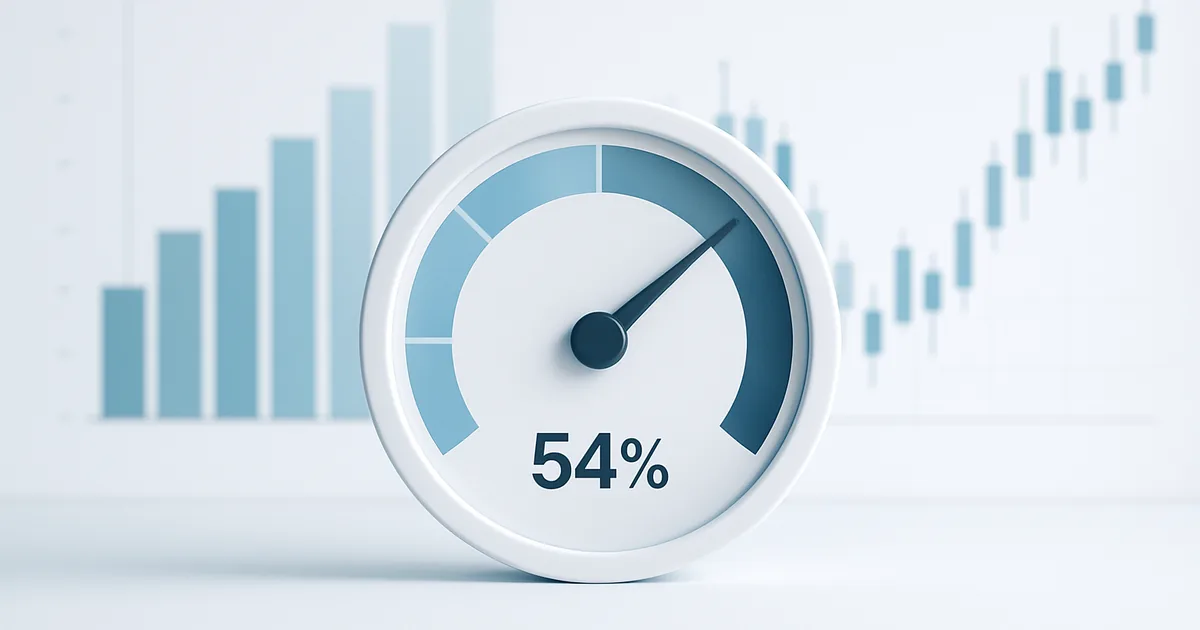
Markets had spent much of August 2026 guessing what the Fed would do. After Fed Chair Kevin Warsh’s speech at Jackson Hole pushed rate-hike odds to 54%, every major data release became another piece of evidence. When the Federal Open Market Committee (FOMC) finally met on 15–16 September, the vote to raise rates was unanimous — and the statement that followed left little doubt that this was not a one-off move. To understand why it matters for UK students taking part in the Student Investor Challenge, you need to understand what the Fed is, why it raised rates, and how that decision travels from Washington DC to share prices in London.
What is the Federal Reserve?
The Federal Reserve — often called simply “the Fed” — is the central bank of the United States. Its main job is to keep inflation near 2% over time while also supporting maximum employment, a combination known as the “dual mandate.” To do that, it sets the federal funds rate: the target interest rate at which banks lend reserves to one another overnight. When this rate rises, borrowing becomes more expensive across the entire US economy — mortgages, business loans, credit cards — which tends to reduce spending and cool inflation.
The rate is set by the Federal Open Market Committee, a group of twelve voting members drawn from the seven Fed governors and five of the twelve regional Federal Reserve Bank presidents. They meet eight times a year, and each meeting produces a decision, a statement, and a press conference. Markets pay close attention to every word, because the language central bankers use signals where rates might go next.
Kevin Warsh became Fed Chair in May 2026, and September’s decision was his first rate hike in the role. According to the official Federal Reserve press release, the committee said it “remains highly attentive to inflation risks” and that further adjustments to the target range “will depend on incoming data.” That final phrase — data-dependent — is central banking shorthand for: we are not committing to what comes next, but we are watching closely.
Why did the Fed raise rates?
The short answer: US inflation has remained stubbornly above the 2% target throughout 2026, and the Fed concluded that the risk of letting it run too long outweighed the economic cost of higher borrowing costs.
Several factors have kept inflation elevated. Energy prices rose earlier in 2026 as supply disruptions rippled through global markets. Services inflation — the cost of things like haircuts, hotel stays, and restaurant meals — has been particularly persistent. And wage growth, while slowing, has continued to add to business costs. Reuters reported that the Fed’s preferred inflation measure, PCE (Personal Consumption Expenditures), was running above 2.5% heading into the September meeting — significantly above target even after months of gradually easing pressures.
What the September hike signals is a change in the overall policy direction. For the previous two years, the Fed had been cutting rates, trying to support an economy that was slowing. The move from cutting to hiking is a fundamental shift: it tells markets that the Fed believes inflation is now the bigger threat, and that it is willing to accept slower growth and tighter credit conditions to bring prices back under control.
What does this mean for share prices?
Rate changes by the world’s most powerful central bank do not stay inside US borders. They travel through global financial markets in predictable ways — and understanding those channels is a real investing skill. We covered the basic mechanics in our article on what interest rates do to shares; here is how the September 2026 hike specifically played out.
The dollar strengthened
When US interest rates rise, dollar-denominated assets — bonds, savings accounts — become more attractive to global investors because they earn a higher return. To buy those assets, investors need dollars, so demand for the currency rises and the dollar strengthens. After the September decision, the dollar index (which measures the dollar against a basket of major currencies) rose by around 0.4%, while the pound fell slightly against the dollar. For UK investors, a stronger dollar has a direct effect on company earnings: FTSE companies that earn revenue in dollars — oil majors like BP and Shell, global miners like Rio Tinto and Anglo American, and banks with large US operations — will see those dollar earnings translate into more pounds when results are reported. That is a tailwind for their share prices, all else being equal.
Bond yields moved higher
When the Fed raises its target rate, yields on US Treasury bonds rise in response. Because Treasuries are the global benchmark for “risk-free” returns, higher Treasury yields pull up bond yields in other countries too — including UK gilts. We have already seen how rising gilt yields put pressure on UK share prices. The logic applies again here: if bonds pay more, some investors will move money out of shares and into bonds, which can drag on equity valuations, particularly for growth-oriented companies whose future earnings are discounted at a higher rate.
Tech and growth stocks face extra pressure
This is one of the less obvious but important lessons from rate rises. A growth company — one that is expected to generate most of its profits several years into the future — is valued partly on what those future profits are worth today. When interest rates go up, the “discount rate” used to calculate the present value of future profits also rises, which mechanically reduces the valuation. That is why technology shares and other growth stocks often fall more sharply than, say, utility or consumer staples shares when interest rates rise. Higher rates hurt those future profits more in the calculation.
How the Bank of England fits in
The Bank of England has been holding rates at 3.75% in 2026 rather than hiking. That divergence — the Fed hiking while the BoE holds — tends to strengthen the dollar relative to the pound, which has the dollar-earnings effect on FTSE companies described above. It also draws some capital from UK markets toward US dollar-denominated assets. The BoE will watch the Fed’s move carefully when it sets its own policy in the weeks ahead, because the global interest rate environment shapes what it can and cannot do without destabilising the pound or gilt market.
What to watch next
Warsh’s statement used the phrase “data-dependent” prominently, meaning the next hike is not guaranteed — it depends on how inflation and employment data come in over the next few months. There are several things investors are now tracking:
- US PCE inflation — The Fed’s preferred measure. If it falls toward 2% convincingly, pressure to hike again will ease. If it stays above 2.5%, another hike becomes more likely.
- US jobs data — The Fed’s dual mandate includes maximum employment. A sharp slowdown in hiring could tilt the committee back toward caution, even if inflation is still high.
- The dollar-sterling rate — A proxy for how markets are reading the relative policy directions of the Fed and the BoE. Worth watching around any major data release.
- The November FOMC meeting — The next scheduled decision. Markets will begin pricing its outcome almost immediately.
What this means in the Challenge
Fed decisions are one of the most reliable sources of market-moving information for Challenge participants. Here are three practical habits worth building:
- Know which of your holdings are dollar-earners. Oil companies, global miners, and international banks in the FTSE 100 are the obvious candidates. Check the annual report’s revenue breakdown: a company that earns 40% of its revenue in US dollars will respond differently to a dollar strengthening than one that earns almost entirely in pounds and euros.
- Understand the bond yield effect on your portfolio. If you hold shares in companies with high valuations relative to current profits — growth or technology shares — be aware that they are more sensitive to rising rates than a company trading on a low price-to-earnings ratio. Rising bond yields tend to compress growth share valuations faster.
- Mark the FOMC calendar. The Fed meets eight times a year on published dates. Build those dates into your investment diary — markets almost always move around them, and being informed in advance is far better than being surprised by a sudden shift in prices you do not understand.
Frequently asked questions
Why did the Federal Reserve raise rates in September 2026?
US inflation remained above the Fed’s 2% target, driven partly by energy price pressures and persistent services inflation. Fed Chair Kevin Warsh had signalled at the Jackson Hole symposium in August that the committee was prepared to act. The September FOMC meeting confirmed that the underlying price pressure was persistent enough to justify a rate increase — the first since 2023.
What is the federal funds rate?
The federal funds rate is the target interest rate at which US banks lend reserves to one another overnight. It is the Federal Reserve’s main lever for managing inflation and economic activity. After the September 2026 decision, the target range stands at 3.75–4.00%. When this rate rises, borrowing becomes more expensive throughout the US economy, which tends to reduce spending and cool inflation over time.
How does a US rate hike affect FTSE 100 shares?
A Fed rate hike typically strengthens the dollar against the pound, which boosts the sterling value of dollar-denominated earnings for FTSE companies like oil majors and miners. At the same time, higher US rates push up global bond yields, drawing some capital away from shares and compressing valuations — particularly for growth companies. Companies with large US revenues or dollar-denominated debt are affected most directly.
What is the difference between the Fed, the Bank of England, and the ECB?
All three are central banks aiming to keep inflation near 2%, but they cover different economies: the Fed covers the United States, the Bank of England covers the UK, and the ECB covers 20 eurozone countries. Because the US economy and the dollar underpin global trade and financial markets, Fed decisions tend to have the widest international ripple effects, even for investors who only hold UK-listed shares.
Test what you know in the Challenge
Apply what you have just learnt by managing a virtual £100,000 portfolio — real companies, real market events, no real money at risk.
See how it works