Notes on money, markets and getting started
Short, plain-English reads for students, teachers, and anyone learning how investing actually works.

Why falling payrolls hit consumer shares
UK payrolls fell 26,000 in August 2026 — far more than expected. Here is what that means for retail and hospitality shares.

What Is Fundamental Analysis?
How to judge whether a share is worth its price — the five key metrics and a five-step approach for beginners.

Top 10 Portfolio Management App Development Companies in 2026
Ten studios ranked for building investment portfolio management apps: wealth tracking, rebalancing engines, and multi-asset dashboards for retail and institutional clients.

Why Primark’s owner fell 8% on a routine update
ABF shares dropped 7.9% on 10 September 2026 after a trading update that looked fine on the surface. Here is what the market was really reacting to.

Why the ECB raised rates again
The ECB lifted its deposit rate to 2.5% on 10 September 2026. Here is what that means for FTSE investors and your Challenge portfolio.
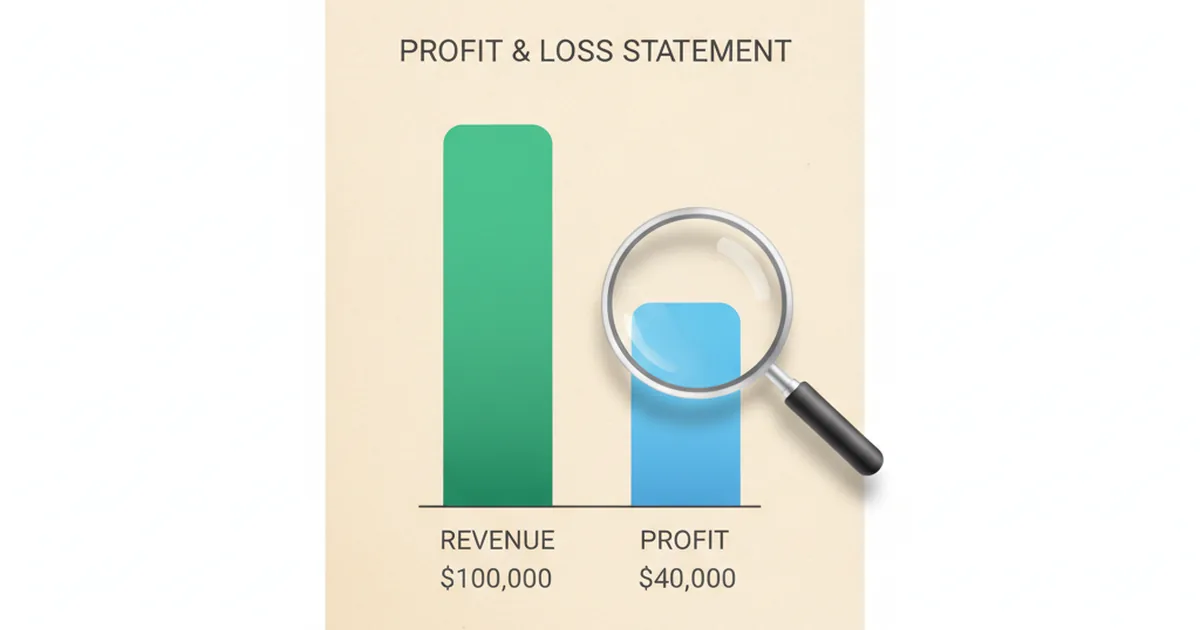
What Is an Income Statement?
Revenue, costs, and profit — the three numbers that tell you whether a company is making money and how fast.

Why energy bills are rising this October — and what it means for shares
Ofgem has confirmed a 4% rise in the energy price cap from 1 October 2026. Here is the chain reaction from household bills to inflation, interest rates, and the stock market.
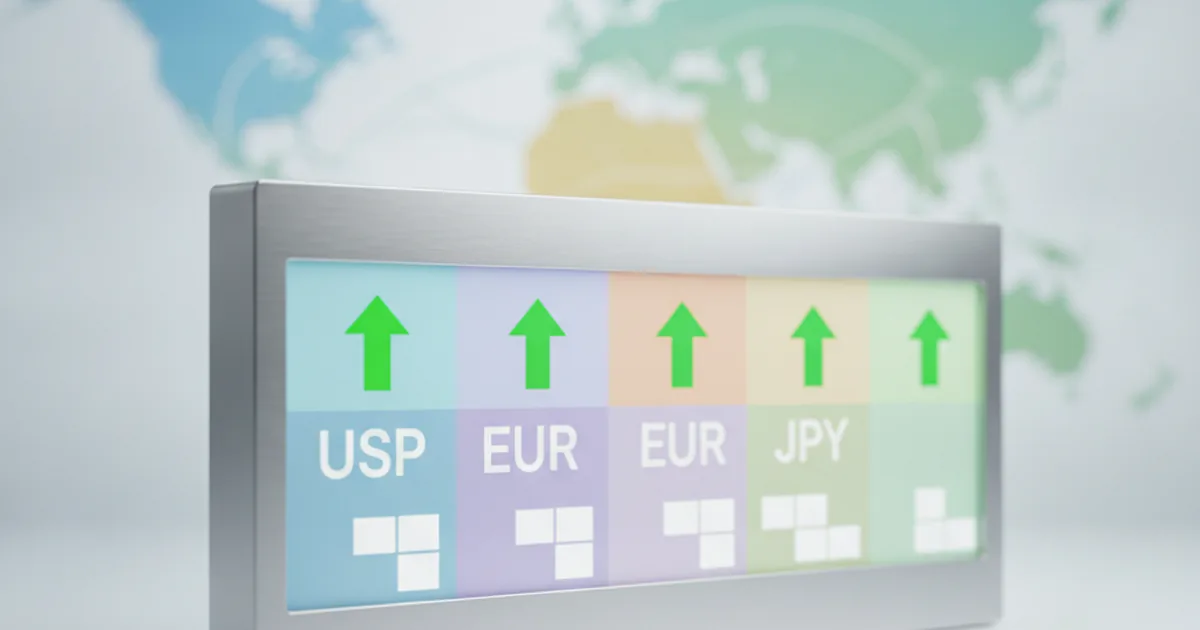
What Is an Exchange Rate?
A falling pound often pushes FTSE 100 shares higher. Here is why, and what it means for picking shares in the challenge.

Apple’s iPhone 18 launch: what investors are really watching
Apple holds its “Surprise and Shine” event on 9 September 2026. Its shares already moved before a single phone was revealed. Here is why — and what it teaches investors.

How to Run Student Investor at Your School: a Teacher’s Guide
Register your school team, manage the Active and Strategic portfolios, and take your students all the way to the national final.

Top 10 Stock Market App Development Companies in 2026
Building a trading simulator, portfolio tracker, or live-data dashboard demands real fintech engineering depth. Here are the ten studios best placed to deliver.

UK House Prices Rose Again in August
Nationwide's August 2026 data shows prices up 2.1% year-on-year. Here is what the index measures and which FTSE shares tend to move when it does.

What is short selling?
Short sellers bet a share price will fall. Here is how borrowing shares works, what happens in a short squeeze, and why you can spot FCA short-position disclosures in the news.

Why Nvidia paid $13 billion for Hugging Face
Nvidia agreed to buy the world’s most popular AI model platform for $12.9bn on 3 September 2026. Here is what the deal means and what big tech acquisitions teach investors.

What Is Beta?
Beta tells you how much a share tends to move when the market moves. Here is how to read it, what it means for your portfolio, and how to use it in the challenge.

When good jobs news worries markets
The US added 162,000 jobs in August 2026, smashing forecasts. Here is why a blowout number can put investors on edge.

How Many Shares Should You Hold in the Challenge?
There is no rule, but the number you choose shapes your ranking ceiling, your risk, and how manageable your round one really is.
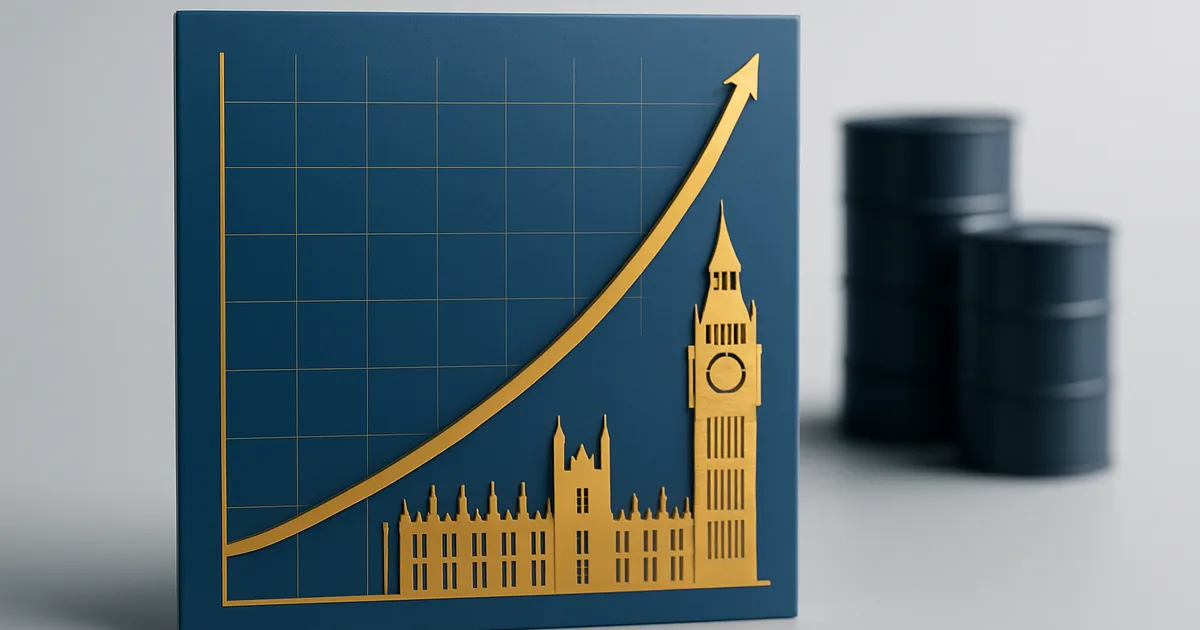
Why UK gilt yields hit an 18-year high
UK 10-year gilt yields touched 5.25% in September 2026 — the highest since 2008. Here is what drove the move and what it means for shares.
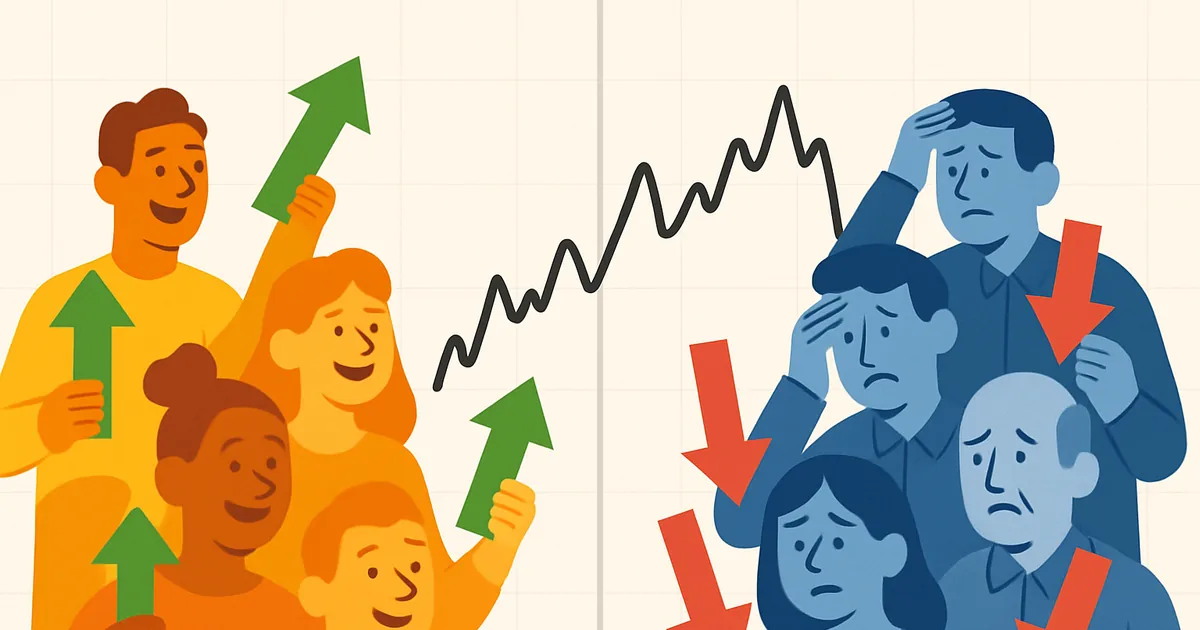
What is market sentiment?
The mood of the market moves share prices just as much as company results. Here is what it means and how to spot it.

What is the FTSE 100 quarterly reshuffle?
EasyJet and Ithaca Energy join the FTSE 100 this quarter; Entain and Persimmon step down. Here is how the reshuffle works and why it moves share prices.

What Is a Cyclical Stock — and What Is a Defensive Stock?
Some shares rise and fall with the economy; others hold steady. Here is what the difference means and how to use it in your portfolio.

Why Reckitt’s court win sent shares up 4% in a day
A US jury sided with Mead Johnson in the first NEC bellwether trial on 2 Sep 2026. Here is what litigation risk is and how court verdicts shift share prices.
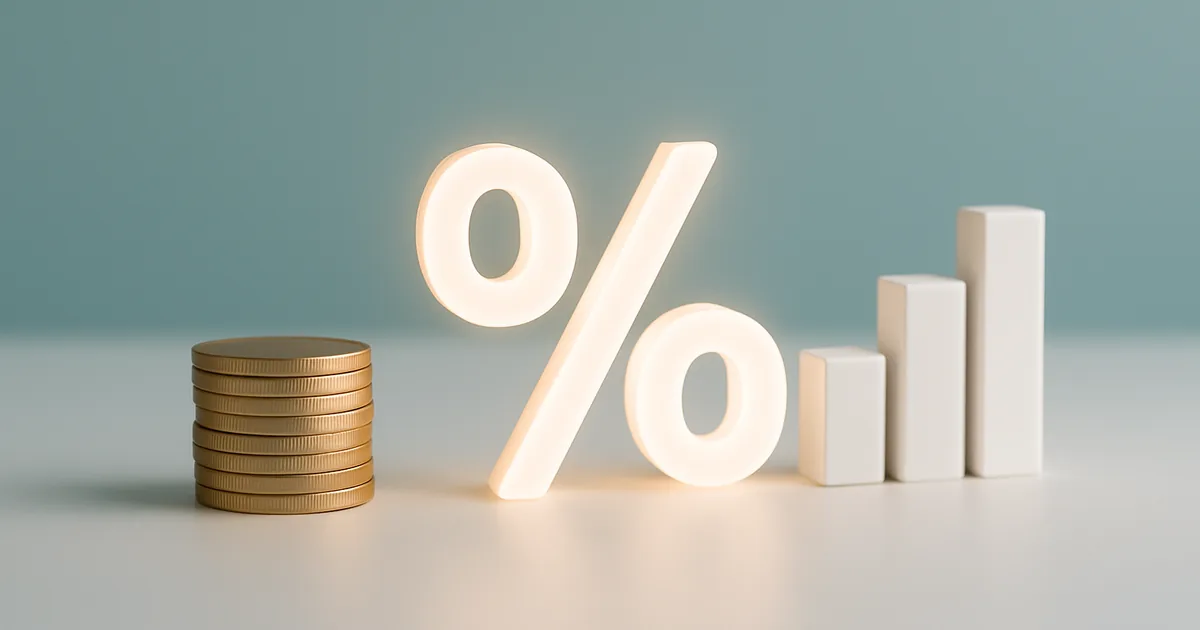
What Is a Yield?
Yield measures the income an investment pays as a percentage of its price. Here is what dividend, bond, and earnings yield mean — and why a very high yield can sometimes be a warning.

UK PMI August 2026: What the split data means
Manufacturing fell to a five-month low while services hit a six-month high. Here is what investors can learn from a diverging PMI reading.

What Is ESG Investing? A Beginner's Guide
ESG stands for Environmental, Social and Governance. Here is what it means, why investors use it, and how it fits into picking shares.

Top 10 Fintech App Development Companies for EdTech Platforms in 2026
Building a student investment platform demands fintech engineering, gamification mechanics, and student-centred UX. Here are the studios best placed to deliver all three.

UK GDP grew 0.4% in spring — what it means for your shares
The ONS confirmed UK economic growth slowed from 0.6% to 0.4% in Q2 2026. Here is what GDP is, why the pace matters, and what it tells you about which shares to watch.

How Your Portfolio Score Is Calculated
Understand the combined score, the Windfall Tax drag, and what moves your rank in round one.

What is EBITDA — and why does it matter in company results?
EBITDA strips out interest, tax, and non-cash charges to reveal core operating profitability. Here is what the acronym means, how to calculate it, and how to use it when evaluating shares in the Challenge.

Halfords, hot weather and a profit upgrade
A prolonged hot summer pushed Halfords’ profits above analyst forecasts, sending shares up 10% in a day. Here is what that teaches you about trading updates, guidance, and index membership.

What is a profit margin — and what it reveals about a company
A profit margin shows how much of every pound of sales a company actually keeps. Here is how to read gross, operating, and net margins — and use them in the Challenge.

Rate-Hike Odds Hit 54% After Warsh’s Speech
Warsh’s Jackson Hole address on 28 Aug 2026 shifted September rate-hike probability from 35% to 54%. Here is how markets use CME FedWatch to price a rate move.

Picking your first shares in the challenge
How to build a balanced, competitive portfolio with your virtual £100,000 — without freezing at the blank screen.

Why the Fed Watches PCE, Not CPI — and What July’s Hotter Reading Means
PCE inflation came in at 3.7% in July 2026, above the 3.6% forecast. Here is what PCE is, how it differs from CPI, and why the slight overshoot shifted rate-hike bets heading into September.

What is liquidity — and why it matters which shares you pick
Why some shares can be bought or sold in seconds while others take days, and what that gap means for your portfolio.

US Consumer Confidence Falls to a Seven-Month Low
The Conference Board’s index hit 89.4 in August — its weakest since January. Here’s what it measures, why the Expectations warning matters, and what it means for markets.

What is a balance sheet?
A balance sheet shows everything a company owns, everything it owes, and what is left for shareholders — all on a single day. Here is how to read one.

Jackson Hole 2026: Why a Speech Can Move Stock Markets
Kevin Warsh addresses the Fed symposium on 27–29 August — his first as Chair. What it is, why markets hang on every word, and what to watch in your portfolio.
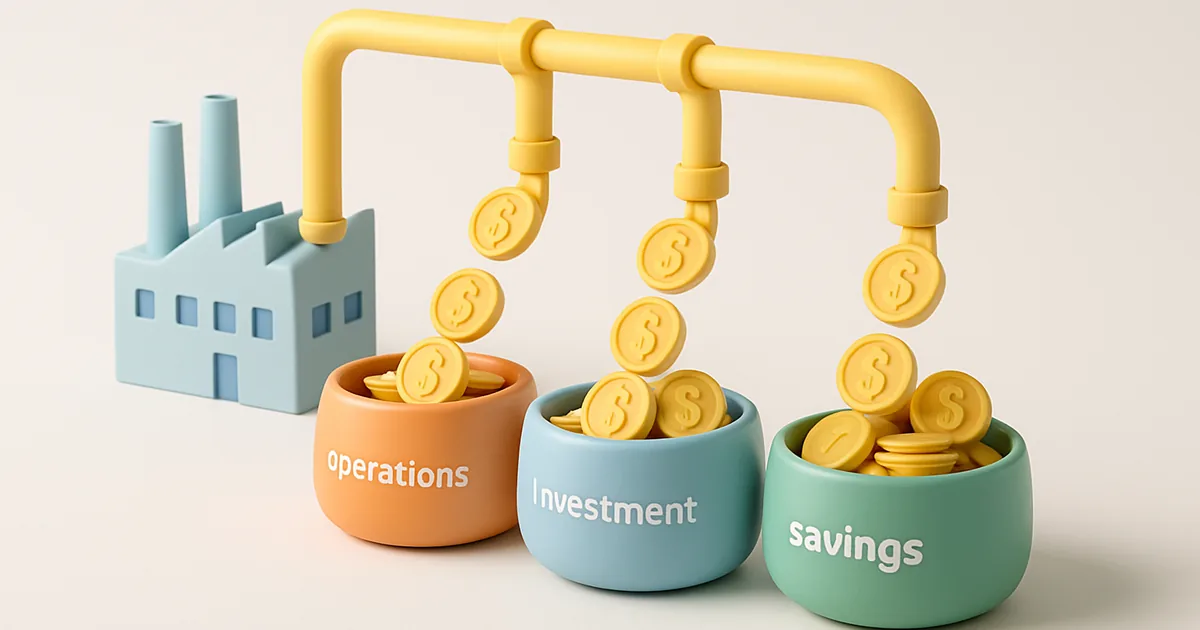
What is cash flow?
Profit and cash flow aren’t the same thing. Here’s why the difference matters when you’re picking shares.

Four routes to the Student Investor semi-finals
Five hundred UK teams qualify for the semi-finals — but not all through the same door. Here is what each route is and which one your team should be targeting.

Nvidia’s results this week: what ‘priced in’ really means
Nvidia reports Q2 2026 earnings on 26 August with roughly $91bn revenue expected and 95% growth. Here is why extraordinary numbers can still disappoint markets.

What is a rights issue?
When a company needs to raise money, it often asks its own shareholders first — at a discount. Here is how a rights issue works, what TERP is, and why shares fall on the day.

Why UK retail sales fell in July — and what it teaches investors
The ONS reported a 0.5% drop in retail volumes in July 2026. Here is why hot weather hurt the high street, what “demand pull-forward” means, and how this kind of data moves shares.

What is revenue — and how does it differ from profit?
Revenue is every pound a company earns. Profit is what is left after the bills. Here is the difference, and how to use both numbers when reading results.

What is a stock market index?
The FTSE 100 and S&P 500 are stock market indices. Here is how an index is built, what moves it, and why every investor watches it.

JD Sports’ profit warning: what the US slump teaches
JD Sports cut its profit target in August 2026 after US like-for-like sales fell 6.8%. What that teaches about geographic risk and how profit warnings work.

Why the Challenge gives you two portfolios
Every team runs an Active and a Strategic portfolio — but they have different rules for a reason. Here is what each one teaches you and how both feed the league.

Why UK inflation jumped to 2.9%
The ONS reported UK CPI at a four-month high in July, driven by Ofgem's 13% energy price cap rise. Here is what it means for shares and interest rates.

How to research a share before buying it in the Challenge
Buying a share without research is a guess. Here is a five-step process any team can follow before they hit buy.

When UK jobs data sends two signals at once
UK unemployment edged up to 4.9% while wages beat forecasts. Here is what conflicting data means for the pound and share investors.

What is earnings per share — and why it moves a share price?
EPS in plain English: the formula, basic vs diluted, and why a buyback can lift EPS without any extra profit.

Why UK asking prices just recorded their worst August in eight years
Rightmove data published 17 August 2026 showed a 2% asking-price fall — the steepest August drop since 2018. Here is what a property index is and why it matters to investors.

What Is Asset Allocation?
Deciding how to split your portfolio between shares, bonds, and cash is one of the most important choices you can make. Here is how it works.

Why a Chilean storm hit FTSE 100 mining shares
Storms in Chile forced Antofagasta to cut its copper output target in August 2026. Its shares fell 5% and dragged the mining sector with them. Here is why.

What is a profit warning?
A profit warning lands when a company expects profits to fall below forecasts. Here is why shares often drop sharply — and how to think clearly when it happens.

Aviva profit up 24% — why shares barely moved
Aviva posted its strongest half-year profit in years, raised its dividend, and the shares barely moved. Here is what insurance results teach about market expectations.
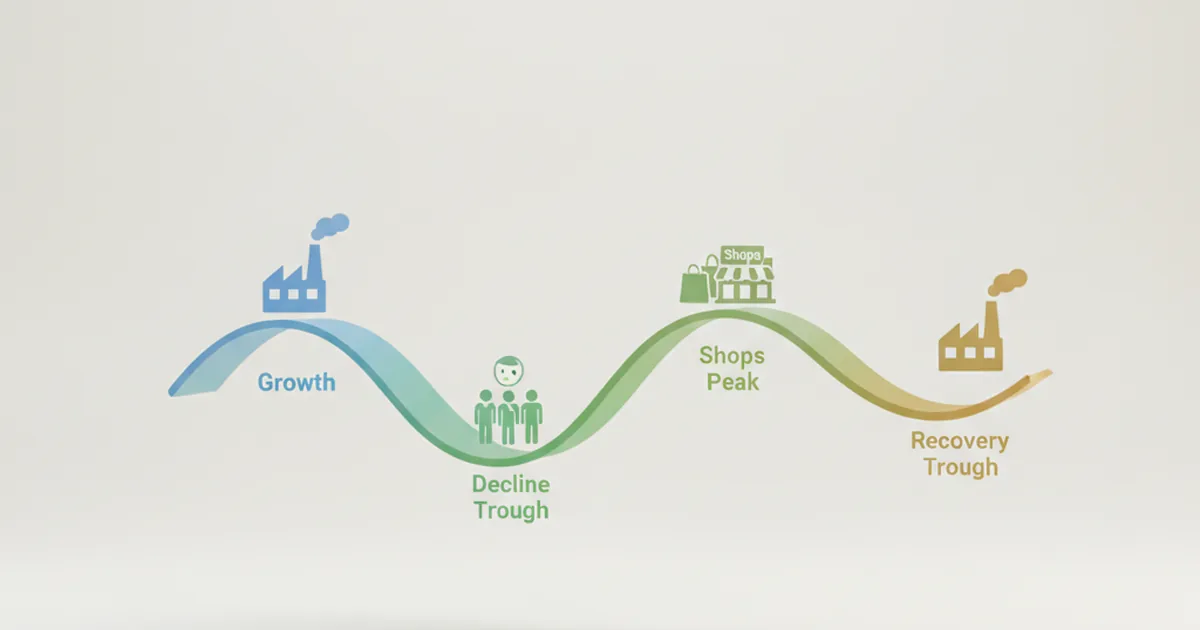
What is a recession?
Two quarters of shrinking GDP, explained simply — and what it means for the shares in your portfolio.

Why buyout news can lift stocks you don’t own
Silver Lake’s reported $50bn bid for Workday sent its shares up 21% — and lifted UK software stocks too. Here is why one buyout rumour moves a whole sector.

What is a commodity?
Gold, oil, copper, wheat — commodities power the global economy and move billions in shares. Here is what they are, why prices swing, and how they reach the stocks you hold.

What you can win in the Student Investor Challenge
A week in New York, university scholarships and cash for the leading teams — plus the quiet prize every team takes home. Here is exactly what is on the table, and how each stage unlocks it.

CoreWeave grew 112% and still lost $626m
On 11 August 2026, CoreWeave reported its strongest-ever quarterly revenue. It also widened its losses. Understanding why both things are true is one of the most important lessons in growth investing.

Unilever raises guidance: why shares jumped 8%
Unilever posted its best volume growth in over a decade. Shares jumped 8%. Here is what raised guidance means, and why volume matters more than price.

Why Balfour Beatty shares hit a record high
Shares hit 973p — an all-time record — after the infrastructure group raised its 2026 profit forecast. What it teaches you about a sector every investor should know.

Growth vs value stocks: what’s the difference?
Two classic styles of shares, side by side — what growth and value mean, how to tell them apart, and why it changes how a price moves.

When good results still hurt a share price: the Spirax lesson
Profit was up 8%, EPS up 9% — yet Spirax shares fell more than 8%. Here is why cash flow, debt, and guidance matter as much as the headline numbers.

Why the US inflation report moves markets
US inflation eased to 3.4% in July 2026. What a CPI report is, why markets watch every release, and what the latest data teaches you.

Why merger rumours move two shares in opposite directions
AstraZeneca fell 9% when merger talks were reported; BMS rose 6%. Then the denial sent AZ back up. Here is why — and what it teaches you.

What is a stock market sector?
The market is split into sectors like energy, tech and healthcare. Here is what a sector is, why they matter and how they shape a portfolio.

America’s record earnings season explained
S&P 500 companies reported their best earnings growth since 2021. Here is what earnings season is and what the record numbers actually teach you.

Persimmon rises 4%: the housebuilder lesson
Persimmon lifted its 2026 home-delivery forecast and shares rose 4%. What housebuilder results teach you about UK housing and share prices.

What a blue-chip stock actually is
Blue-chip shares are the big, established companies at the steady end of the market. Here’s what the label really means — and why it matters.

How the Strait of Hormuz moved energy shares
One shipping lane carries a fifth of global oil. In August 2026, a blockage there sent oil prices jumping 5% and shook FTSE energy stocks.

How Diageo’s shares jumped on a profit fall
Diageo’s reported profit fell 27% yet shares jumped 8.7% in August 2026. What that apparent contradiction teaches you about markets.

How banks actually make money
NatWest posted a £3bn first-half profit in 2026. What a net interest margin is, why rates lift bank shares, and what it teaches you.

Getting started: a teacher’s guide to Student Investor
Register a team, split students into the two portfolios, and fit it into your lessons — step by step.

What a takeover does to shares
EasyJet agreed to Apollo’s £5.7bn offer after a bidding war with Castlelake. Why shares surge when a bid lands — and what the 13% overnight jump teaches you.

What is a lockup period?
When SpaceX unlocked nearly a billion insider shares in August 2026, investors feared a crash. Instead, shares rose 6%. Here is what a lockup period is and why markets often shrug at events they knew were coming.

What guidance means for shares
Airbnb raised its full-year outlook and shares jumped 11%. What company guidance is, why a raised forecast moves a price, and what forward-looking markets really means.

What is an ETF?
One trade, hundreds of companies. What an exchange-traded fund is, how it works, and how it differs from a single share.
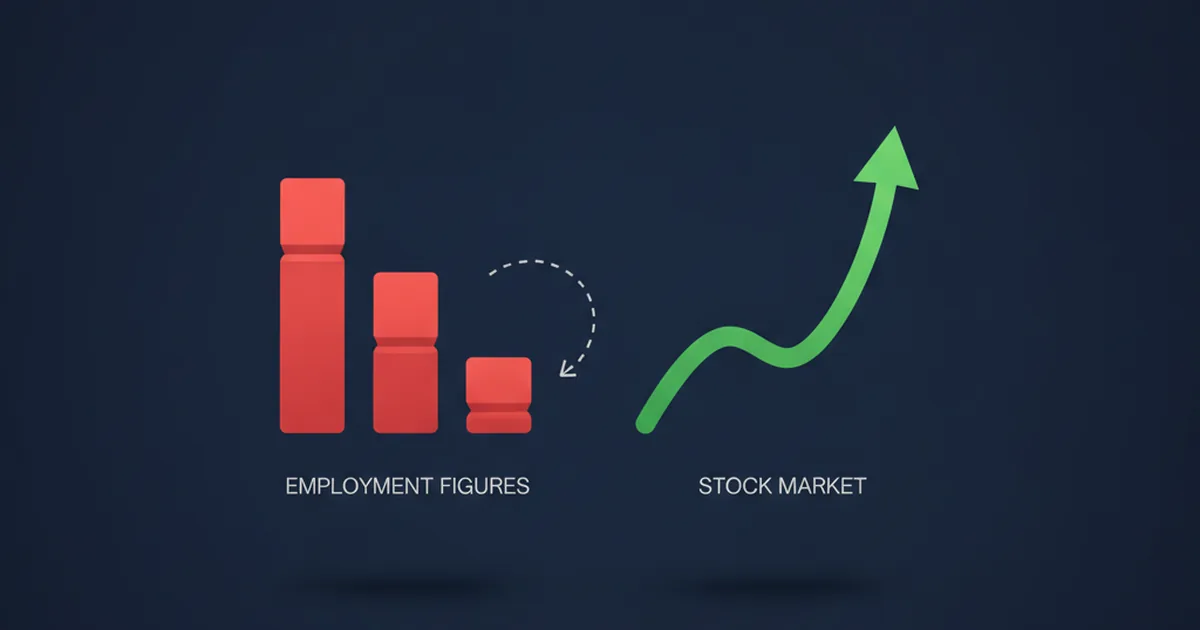
When bad jobs news is good for shares
The US shed 23,000 jobs in July 2026 yet the S&P 500 hit a record. Here is the triangle of jobs, rates and share prices that explains why.

What a stock split is
A share priced at £9 shows £3 the next day — and nobody lost money. What a stock split really is, why firms do it, and why it trips up beginners.

Why supply chains move share prices
An aerospace giant grew its sales in August 2026 yet its shares fell 20% — because of a missing part. What a supply-chain crunch really teaches you.

What an IPO is — and the SpaceX rollercoaster
SpaceX floated in the biggest IPO ever, then its shares fell 45%. What an IPO is, why new stocks swing so wildly, and why strong first results still sent them down.

How to build a team of four that works
Four players, two portfolios, one league table. How to split the work, rotate roles and decide as a group — so nobody carries the team alone.

The Dow just passed 54,000 — what a round number means
The Dow closed above 54,000 for the first time in early August 2026. What a round-number record really tells you — and why the Dow is a strange index.

The Bank held rates — so why is that news?
The Bank of England left rates unchanged on 30 July 2026 — but three policymakers wanted a rise. Why a "no change" can still move markets, and what it teaches you.

The FTSE 250 just hit a record high
Britain's mid-cap index set an all-time high on 4 August 2026, beating its 2021 peak. Why it reads the UK economy better than the FTSE 100 — and what a record really means.

What is a price-to-earnings ratio?
Why a £5 share can be dearer than a £500 one. The P/E ratio explained simply — and how to tell a bargain from a value trap.

How the market rises when big stocks fall
Wall Street hit records in early August 2026 while SpaceX and AMD dropped. How an index can climb as big names fall — and why breadth argues for spreading your money.

What a share buyback is
HSBC announced a $1bn buyback with its profit jump. What buying back shares really means, how it differs from a dividend, and whether it is good news.

What interest rates do to shares
The Bank of England held at 3.75% — yet markets moved. The three ways rates reach into share prices, and why a “no change” day still matters.

How the league tables work — and how to climb them
Thousands of teams, three tables and a column of little arrows. How to read where you stand — and what actually moves you up.

Why shares move on earnings news
SpaceX beat on revenue and fell; Palantir beat and soared 30%. Same week, opposite reactions — because prices move on the surprise, not the number.
Why oil prices move the stock market
Oil fell about 5% in early August 2026 and shares rose. Follow the chain of cause and effect — who wins, who loses, and why the reason behind the move matters.

The FTSE 100 hit a record high — what it means
The UK's headline index touched a record near 11,000 as the Bank of England held rates steady. Why a record sounds dramatic, but is history rather than a forecast.

What is a bond?
Buy a share and you own part of a company; buy a bond and you lend to one. What that swap really means, what a coupon is, and why "safe" bonds still move in price.

What is market capitalisation?
A £300 share is not a bigger company than a £3 one. The number that actually measures a company's size — and why the share price alone fools you.

What is volatility, and why prices swing every day
Open your portfolio two days running and the numbers are never the same. What that restless wobble is, where it comes from, and how not to panic at it.

How to enter the Student Investor Challenge
Signing a team up is simpler than it looks. Who can play, what you need before you start, the TRN that unlocks registration, and what happens once you are in.

What is inflation, and why it quietly matters to savers
Everything costs more than it used to — and there is a proper word for that slow creep. Why prices rise, and why leaving money still can quietly cost you.

What is a share, really?
Everyone talks about buying shares — but a share of what, exactly? The one idea the whole stock market is built on, in plain English.

Pound-cost averaging, explained without the maths panic
Invest the same amount on the same rhythm, whatever the price — and let a simple schedule buy more when shares are cheap and calm your nerves.

What a stock exchange actually does
The marketplace behind the buy button — how an exchange matches buyers and sellers, and why your money goes to another investor, not the company.

Your first week in the Student Investor Challenge
A calm, day-by-day guide to your first seven days — your two virtual £100,000 portfolios, your first trades and the league.

Bull and bear markets, explained
What a bull market and a bear market really mean, where the odd names come from and how to keep a level head when the mood swings.

Risk and reward, explained simply
Why bigger potential returns always come with bigger swings, and how to think about risk sensibly when you are just starting out.

What compounding is, and why it rewards patience
How money makes money over time — why starting early beats starting big, and what it teaches you about investing.

How the Student Investor semi-finals work
The four-week price-prediction round, how points are scored, and how the top eight teams reach the national final.

What a dividend actually is
The quiet second way shares pay you — what a dividend is, why companies pay them, and how the dates work.
The 2026 national final returns to London
This year’s finalists will meet in the City for a live trading day and the Trader of the Year award.
How the news actually moves a share price
Why good news sometimes sends a stock down — and what the market is really pricing.
Five mistakes teams make in round one
The avoidable slips that quietly cost places before the semi-finals even begin.
The Windfall Tax on idle cash — and why it exists
The rule that stops teams hiding in cash, and the real-world lesson hidden inside it.
Diversification, explained without the jargon
The one idea that does more to protect a beginner than any clever stock pick.
What a portfolio really is — and why yours has two halves
Before you buy a single share, it helps to know what you are actually building.
How to read a share price without panicking
What the numbers on a ticker actually mean — and which ones a beginner should ignore.
Why holding beats trading for most beginners
The quiet case for patience — and what the Strategic Investor portfolio is really teaching you.
Running the challenge in a single lesson a week
A light-touch plan for weaving live markets into your timetable without extra prep.
No articles match your search
Try a different word or pick another category.