Why UK asking prices just recorded their worst August drop in eight years
On 17 August 2026, Rightmove published its monthly house price index showing UK asking prices fell 2% in a single month — their steepest August fall since 2018. Here is what a property price index is, why this data moved markets, and what it teaches you as an investor.
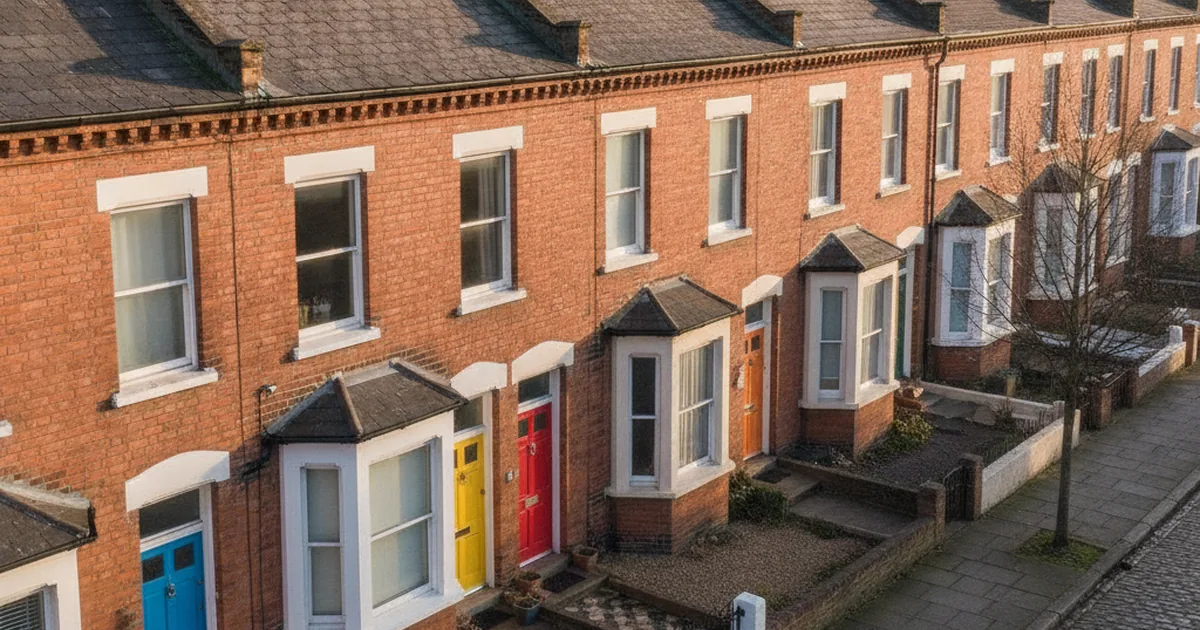
Every month, Rightmove publishes a snapshot of what sellers are asking for their homes across England and Wales. In August 2026, that snapshot delivered a number that surprised the market: the average newly-listed property was priced at £364,999, down 2% from July — a fall of £7,360 in a single month. According to Mortgage Solutions, it was the largest August asking-price decline in eight years. The annual figure also deepened, with prices now down 1% year-on-year compared with a 0.4% annual fall in July.
Housing data can feel remote from stock markets, especially if you are just starting to invest. But a property index like this one carries ripple effects across several types of listed company — and understanding those ripples is a valuable skill for any investor, including one playing the Student Investor Challenge.
What is the Rightmove House Price Index?
Rightmove is the UK’s largest online property portal. Each month it publishes data on the asking prices of homes that have been newly listed for sale on its platform. This is different from sold prices, which are recorded by HM Land Registry once a deal has actually completed — a process that can take weeks or months. Because Rightmove captures what sellers are choosing to ask right now, its index is what analysts call a leading indicator: it reflects the market’s direction before official transaction data catches up.
That forwardness is part of why the market pays close attention. When Rightmove’s figures show sellers cutting their expectations, it suggests that the balance of confidence in the market is shifting. When prices rise, it suggests demand is outpacing supply. Neither tells the whole story on its own, but together with other data — mortgage approvals, transaction volumes, the Bank of England’s base rate — they build a picture of where the economy is heading.
Rightmove also happens to be a FTSE 100 listed company itself. The business earns most of its revenue from subscription fees charged to estate agents and developers who advertise properties on its platform. When housing market activity slows, some agents reduce their listings packages or go out of business entirely, which can reduce Rightmove’s revenue. That is another reason investors track the index closely.
What happened in August 2026?
The August 2026 data, published on 17 August, showed a market under clear pressure. The overall 2% monthly fall was driven largely by higher-value properties: top-tier homes dropped 2.8% in the month alone, while first-time buyer properties fell a more modest 0.3%. Sellers at the upper end of the market appear to be adjusting their expectations more aggressively to attract buyers in a tough environment.
The housing stock available for sale reached a 12-year high for August, according to the same report. That matters because it means buyers have more choice, which reduces the urgency to pay the asking price. When supply rises and demand softens, asking prices tend to come down — basic economics in action.
Rightmove’s own data also highlighted a stark regional split. London saw the steepest year-on-year decline, with prices down 3.1% compared to August 2025. At the other end of the spectrum, the North East was the only English region to record a monthly increase, rising 0.6%. The national average, as always, conceals significant variation under the surface.
Why did asking prices fall so sharply?
Two factors stand out. The first is mortgage rates. In August 2026, the average two-year fixed-rate mortgage crossed 5.09%, up from 4.95% the previous month. That might sound like a small move, but on a £300,000 mortgage it translates into meaningfully higher monthly repayments — enough to push some buyers to the edge of affordability or to pull them out of the market entirely. The Bank of England has held its base rate at 3.75% since December 2025, with the Monetary Policy Committee watching inflation carefully before cutting again. Commercial lenders, however, price their fixed rates based partly on swap rates — market interest rates that can move before the MPC acts — and those have edged upward in recent weeks.
The second factor is that the supply of available homes has grown substantially. When there are more homes for sale than there are buyers to purchase them, sellers must compete on price. The combination of tighter affordability on the buyer side and rising inventory on the seller side is a classic recipe for falling asking prices.
Rightmove’s director Colleen Babcock noted that “many sellers are recognising the reality of the market and pricing much more competitively.” That phrase is worth noting: sellers do not lower their asking prices voluntarily out of generosity. They do it because they have to, which tells you something about the underlying balance of the market.
How property data moves share prices
Even if your Student Investor Challenge portfolio contains no property company, the housing market data can still matter. Here is how it flows through to listed companies.
Housebuilders
The most obvious connection is to housebuilders — companies like Taylor Wimpey, Barratt Developments, and Persimmon that build and sell new homes. When asking prices fall and buyer demand softens, housebuilders face pressure on their margins. They may need to offer incentives to shift stock, or they may slow down the construction of new sites to avoid building homes they cannot sell. Both outcomes reduce profit. We looked at the Persimmon example earlier this month in our piece on what housebuilder results teach about the UK housing market — and you can see how company results and macro data connect.
Banks and mortgage lenders
Banks earn a spread between the rate they pay to borrow money and the rate they charge on mortgages. When fewer people are buying homes, there are fewer mortgages being written, which can reduce the volume of profitable lending. At the same time, falling house prices can raise the loan-to-value ratio on existing mortgages — if a home falls in value below the amount owed on it, the bank’s security deteriorates. This is one reason housing data moves the share prices of lenders like Lloyds Banking Group, Barclays, and NatWest. We explained how banks actually make their money in a recent article if you want to understand that in more depth.
Rightmove itself
As noted above, Rightmove plc is a publicly listed company in the FTSE 100. Its business depends on estate agents paying for advertising on its platform. When the housing market slows and agents handle fewer transactions, some reduce their marketing spend. On the day the August 2026 data was published, Rightmove’s share price dipped modestly in morning trading as the market absorbed what the weaker figures meant for the company’s own subscription revenues.
Not all property markets are the same
One lesson the August 2026 data illustrates clearly is that a national average can hide very different stories. London saw asking prices fall 3.1% year-on-year, partly because homes in the capital already cost roughly 17 times the national average salary — an affordability gap so wide that even a small rise in mortgage rates pushes many buyers out. The North East, by contrast, where homes are far cheaper relative to incomes, saw prices inch up 0.6% in the month.
This regional variation matters for investors. A housebuilder that operates primarily in the Midlands or North may tell a very different story in its results from one heavily exposed to London and the South East. Reading a company’s geographic exposure is part of understanding its business properly — the same macro data produces very different outcomes for different companies depending on where they operate.
The wealth effect: why housing matters beyond property shares
There is a broader economic concept worth understanding here: the wealth effect. When house prices rise, homeowners feel wealthier — even if they are not planning to sell. This confidence tends to make them more willing to spend, which supports retailers, restaurants, travel companies, and the broader economy. Conversely, when house prices fall, homeowners feel less wealthy and may tighten their spending, which can weigh on consumer-facing businesses.
This is why economists and investors pay attention to property data even when thinking about sectors that have nothing to do with buildings. A prolonged house price decline can dampen consumer confidence broadly, reducing profits for companies across the economy. Equally, a resilient housing market is often a sign that consumers feel secure — which tends to be good for equities overall.
What this means for your Challenge portfolio
If you are playing the Student Investor Challenge with a virtual £100,000 portfolio, understanding how macroeconomic data feeds into share prices is one of the most valuable skills you can develop. You do not need to forecast house prices to use this knowledge. But you should think about a few things when you pick a company:
- Does this company’s business depend on a healthy housing market, directly or indirectly?
- Is it concentrated in a specific region, or spread across the UK?
- How sensitive are its revenues to changes in mortgage rates or buyer confidence?
These questions do not always lead you to avoid a company. Sometimes a housebuilder bounces strongly precisely when the market looks terrible, as investors price in a recovery. But asking the questions forces you to understand what you actually own — which is the foundation of any sound investment decision.
Not yet registered? Take a look at how the league tables work and get started — real market events like today’s Rightmove data make much more sense once you are tracking a live portfolio.
Summary: what the August 2026 Rightmove data tells investors
| What happened | What it means |
|---|---|
| Asking prices fell 2% in August 2026 to £364,999 | Sellers are adjusting expectations to attract buyers |
| Annual fall deepened from -0.4% to -1.0% | The market has been softening for several months |
| Mortgage rates crossed 5% | Affordability is tightening, reducing buyer competition |
| Housing stock at 12-year high for August | More supply and less competition pushes asking prices down |
| London -3.1% y/y; North East +0.6% m/m | Regional markets diverge — averages hide the full picture |
Frequently asked questions
What is the Rightmove House Price Index?
The Rightmove House Price Index measures the asking prices of homes newly listed for sale in England and Wales each month. Because it captures what sellers are asking rather than what buyers end up paying, it is considered a leading indicator — it shows where the market is heading before transactions complete and appear in official Land Registry data.
Why do rising mortgage rates push house prices down?
When mortgage rates rise, monthly repayments become more expensive, reducing how much buyers can afford to borrow. This limits how much they can offer for a home. Sellers who want to attract buyers in that environment often have to lower their asking prices. In August 2026, the average two-year fixed rate crossed 5.09%, reducing affordability and prompting sellers to price more competitively.
Does a falling housing market always hurt housebuilder shares?
Not always. Housebuilder shares respond to a mix of factors: asking price trends, transaction volumes, and a company’s own order book and margins. A modest price dip with solid sales volumes can still produce good results for a housebuilder. A prolonged fall that damages buyer confidence tends to hurt order books and eventually profits — but markets often move before the results confirm it.
Is Rightmove itself a listed company?
Yes. Rightmove plc is listed on the London Stock Exchange and is a FTSE 100 member. Most of its revenue comes from subscription fees charged to estate agents. A weaker housing market can slow growth in agent numbers and subscriptions, which is why Rightmove’s shares can dip when its own data shows a sharp market slowdown.